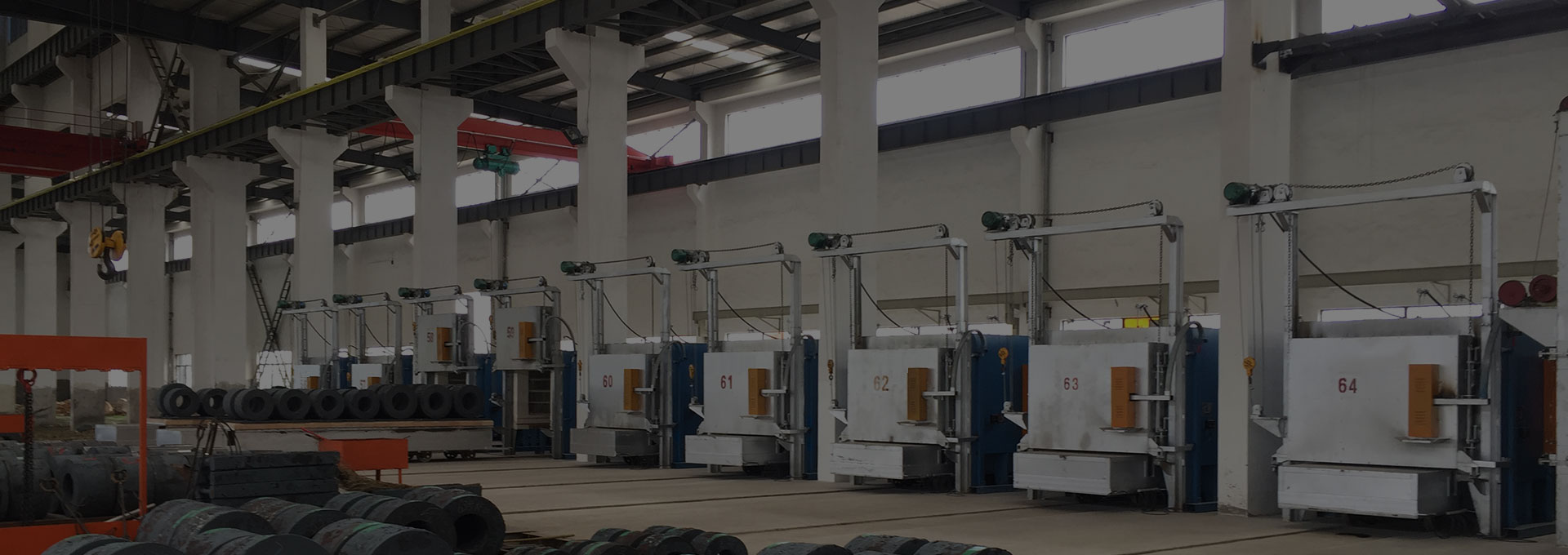
Tempering Furnace

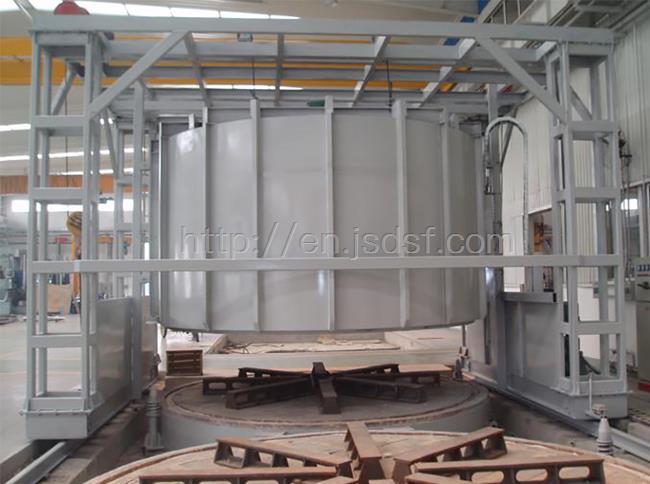
introEach annealing furnace has 2 furnaces, 2 inner covers and 1 heating cover. A cooling cover, a stove in the heating
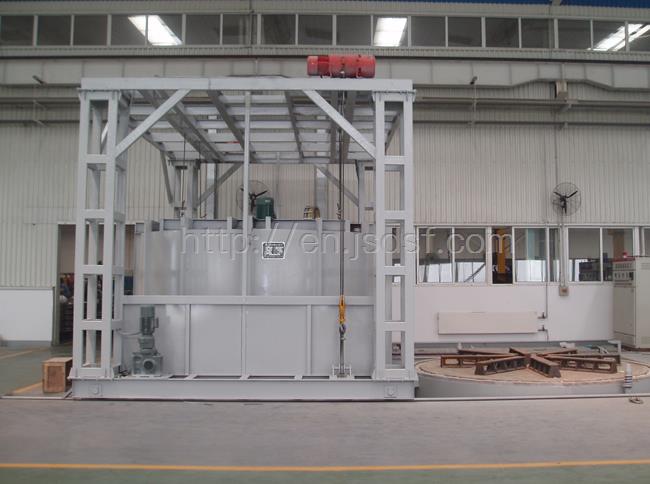
intro
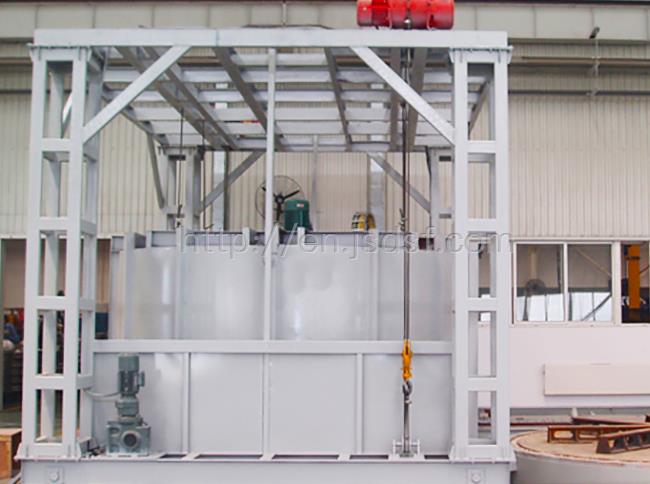
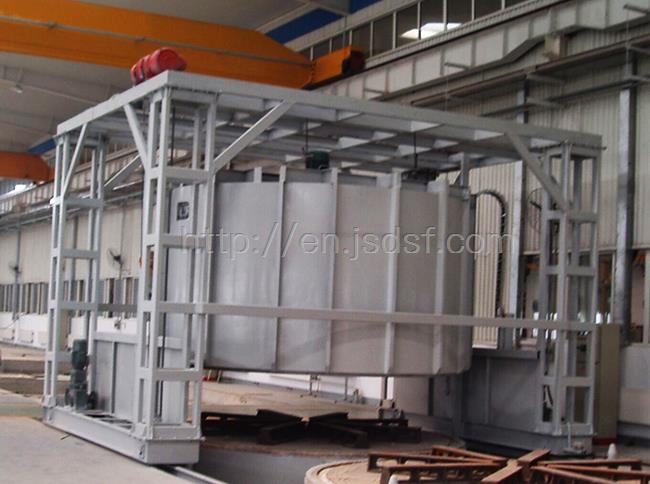
Each annealing furnace has 2 furnaces, 2 inner covers and 1 heating cover. A cooling cover, a stove in the heating and heat preservation, the other stove in the cooling, unloading process, the same heating cover alternately heating two stove can save energy and achieve continuous production.
The equipment is strictly sealed between the heat-resistant stainless steel cover and the furnace, so that the workpiece material is isolated from the outside air, and in the process of heating, insulation and cooling, it is always protected by high purity nitrogen and hydrogen gas, so that the annealed material can keep the surface bright and no oxidation. In addition, due to the high strength convection fan in the furnace, the atmosphere in the furnace forms a strong convection circulation, which promotes the furnace temperature uniformity, and the temperature difference of each point in the furnace can be controlled within ±3℃, so that the annealed material can obtain uniform physical and mechanical properties.
Advantages:
First, the use of all-fiber furnace structure, with excellent energy saving performance, compared with the same specifications of brick resistance furnace 30% energy saving, heating speed increased by 1 times;
Second, the furnace body light through the workshop lifting mechanism can be lightly removed from the furnace body, exposing the loading and unloading platform.
Third, the use of the top line lifting to remove the upper cover body, easy equipment maintenance and repair, improve the life of the furnace.
Fourth, the cover type electric furnace can be used alternately with multiple furnace bases, improving productivity and saving investment.
Annealing process of the hood tempering furnace
A. Determination of heating speed The heating speed of steel is mainly determined by the size of the thermal conductivity of steel. Carbon content and alloy content in steel have great influence on heat conduction. If their content is high, the thermal conductivity is small, and the heating speed should be appropriately slow to avoid excessive internal and external temperature differences resulting in uneven organization and performance. From room temperature to 400 ° C, the heating speed is generally unlimited. According to the principle of the crystallization process, the strip from room temperature to 400℃, the internal structure of the strip has no significant change, the elongated grains have just been restored during the rolling process, and recrystallization has not yet been formed, so the faster the heating speed of the steel in this area, the better. The strip is heated from 400℃ to the holding temperature, and the heating speed has a great influence on the performance and surface quality of the strip. Generally, the temperature rise rate of 30 ~ 50 ° C /h is appropriate, and the strip steel is heated from 400 ° C to the holding temperature below 723 ° C, which is the recrystallization formation stage, so the heating speed in this temperature range must be controlled.
B. Determination of holding temperature and holding time The recrystallization temperature of steel is not a fixed temperature, it is related to the internal microstructure of the strip, and the recrystallization temperature in actual production is selected according to the product in the range of 570 ~ 720 ° C. The holding temperature and holding time are mainly determined according to product standards, technical conditions and the thickness of steel and strip steel. The holding time and holding temperature are also related to the roll weight and the thickness of the strip steel. If the roll is heavy and the steel plate is thick, the holding temperature is high and the holding time is long. For steel and thin strip steel, which are easy to produce interlayer bonding defects, the insulation temperature can be appropriately low, and the insulation time can be shorter.
C. Bright annealing To make strip steel without decarburization, no oxidation must be bright annealing. The key problem to prevent oxidation of annealed steel coil is that the pressure in the protective cover must meet the process requirements. In addition, we should do a good job of cold blowing and hot blowing. The purpose of cold blowing and hot blowing is to use the protective gas to drive away the air in the inner cover and the oil and gas moisture brought in by the steel coil. The role of hot blowing is in addition to further driving out the residual gas in the inner cover, more importantly, the harmful substances such as soot and water vapor generated by the emulsion brought by the plate roll are all driven away and blown away to avoid tarnishing the surface of the steel plate and reducing the surface quality of the steel plate.
COPYRIGHT © 2023 ChangZhou DingShengFeng Industrial furnace Co.,LTD All rights reserved