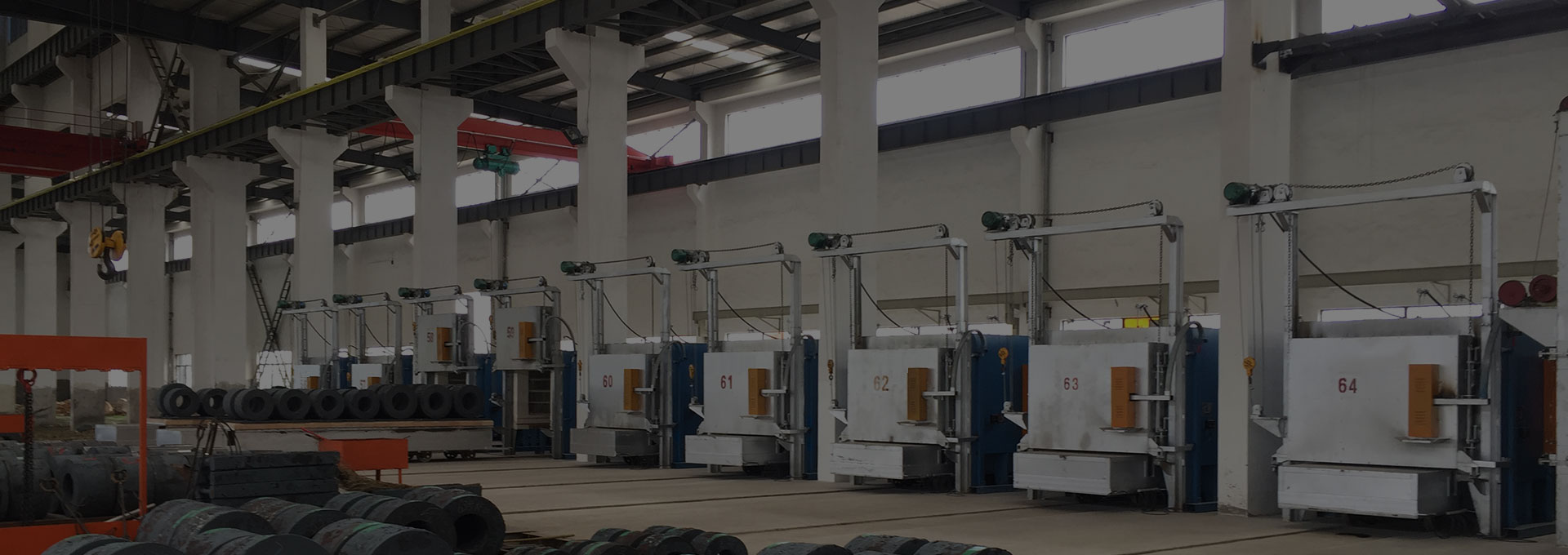
Melting Furnace

Crucible furnace is one of the simplest melting equipment, mainly used to melt non-ferrous metals that are not too
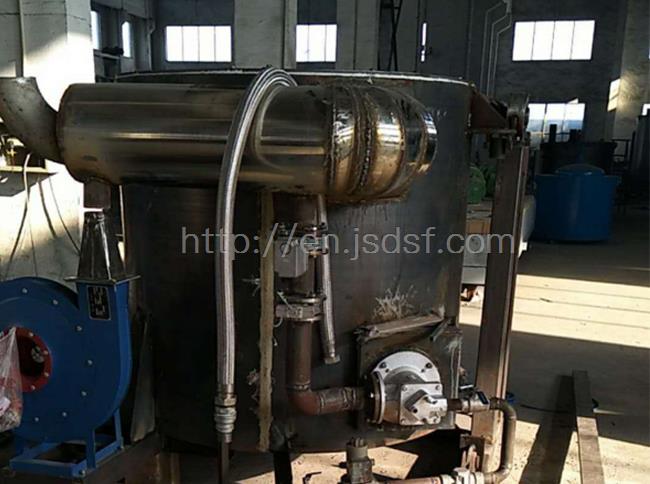
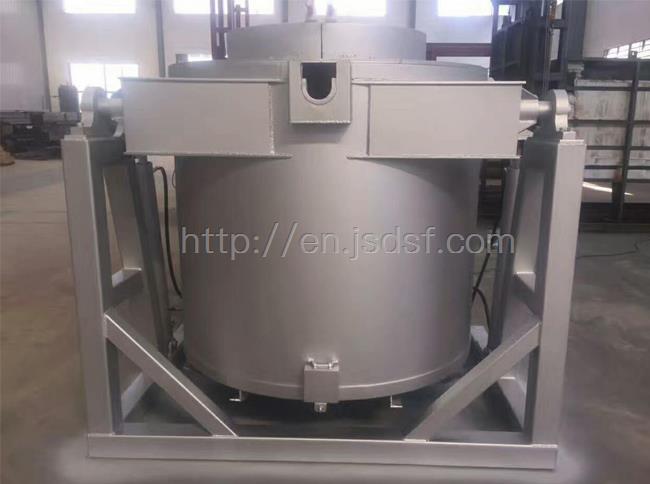
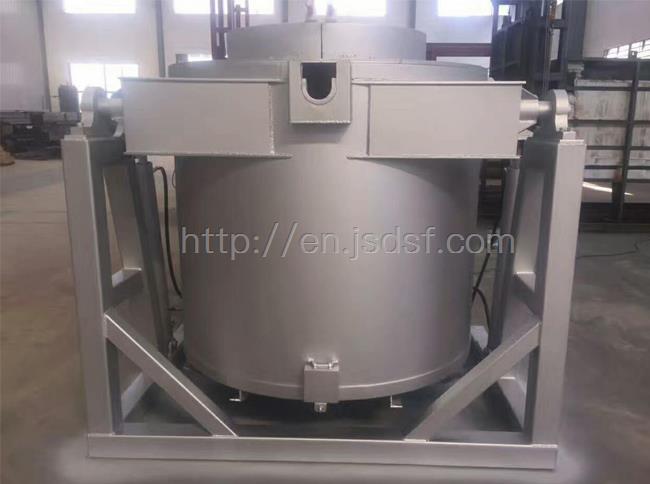
Crucible furnace is one of the simplest melting equipment, mainly used to melt non-ferrous metals that are not too high melting point, such as copper, aluminum and their alloys. In this furnace, the alloy is melted in the crucible, the heat is passed to the charge through the crucible, the combustion products of the charge are not in direct contact, so the chemical composition of the alloy is almost not affected by the furnace gas, and the temperature of the alloy liquid is also more uniform, which is its main advantage. Its disadvantages are low thermal efficiency, large fuel consumption, small crucible capacity, and poor working conditions.
Equipment introduction
Crucible furnace is one of the simplest melting equipment, mainly used to melt non-ferrous metals that are not too high melting point, such as copper, aluminum and their alloys. In this furnace, the alloy is melted in the crucible, the heat is passed to the charge through the crucible, the combustion products of the charge are not in direct contact, so the chemical composition of the alloy is almost not affected by the furnace gas, and the temperature of the alloy liquid is also more uniform, which is its main advantage. Its disadvantages are low thermal efficiency, large fuel consumption, small crucible capacity, and poor working conditions.
In smelting, the metal is placed in a container called a crucible. The crucible is placed in the furnace and heated with diesel, heavy oil, gas or coke as fuel. According to different requirements, the crucible can be made of graphite, fireclay, cast iron and other different materials. The furnace body has several kinds, such as pit type, fixed type and rotating type. There is also a resistance crucible furnace, the general capacity is very small, mostly used in laboratories.
The crucible furnace has the advantages of simple structure, small investment and fast production, and is widely used in the casting workshop of small and medium-sized non-ferrous alloy processing plants and machine manufacturers. However, the heat utilization rate of crucible furnace is low, the output is small, and the working conditions are poor, so large-scale production is not suitable. [1]
Crucible furnaces have always been the equipment for melting copper alloys. At present, a large proportion of crucible furnaces are used to melt copper alloys. The heat source of smelting, charcoal in ancient times, is now followed by heavy oil, gas, electricity, coke. Recently, in order to save energy and protect the environment and improve efficiency, some heat sources have been changed from heavy oil to gas, and some have been changed to induction furnaces.
Crucible furnaces for melting light alloys such as Al and Zn also have the same trend. Large melting equipment has been converted to reverberatory furnaces, rotary furnaces, induction furnaces, etc., small batch production or as small insulation furnaces for casting are still crucible furnaces. Due to the improvement of heating methods, the future development trend is to use clean light oil and gas; The purpose of energy saving can be achieved by using ceramic fiber lining and multi-layer furnace wall structure.
Technical parameter
Operating temperature: ≤1100℃
Maximum temperature: 1200℃
Temperature control mode: intelligent programmable control
The fastest heating rate: 20℃/min
Constant temperature accuracy: ±1℃
Furnace door structure: open up type
Working power supply: AC220V, rated power: 3KW
COPYRIGHT © 2023 ChangZhou DingShengFeng Industrial furnace Co.,LTD All rights reserved