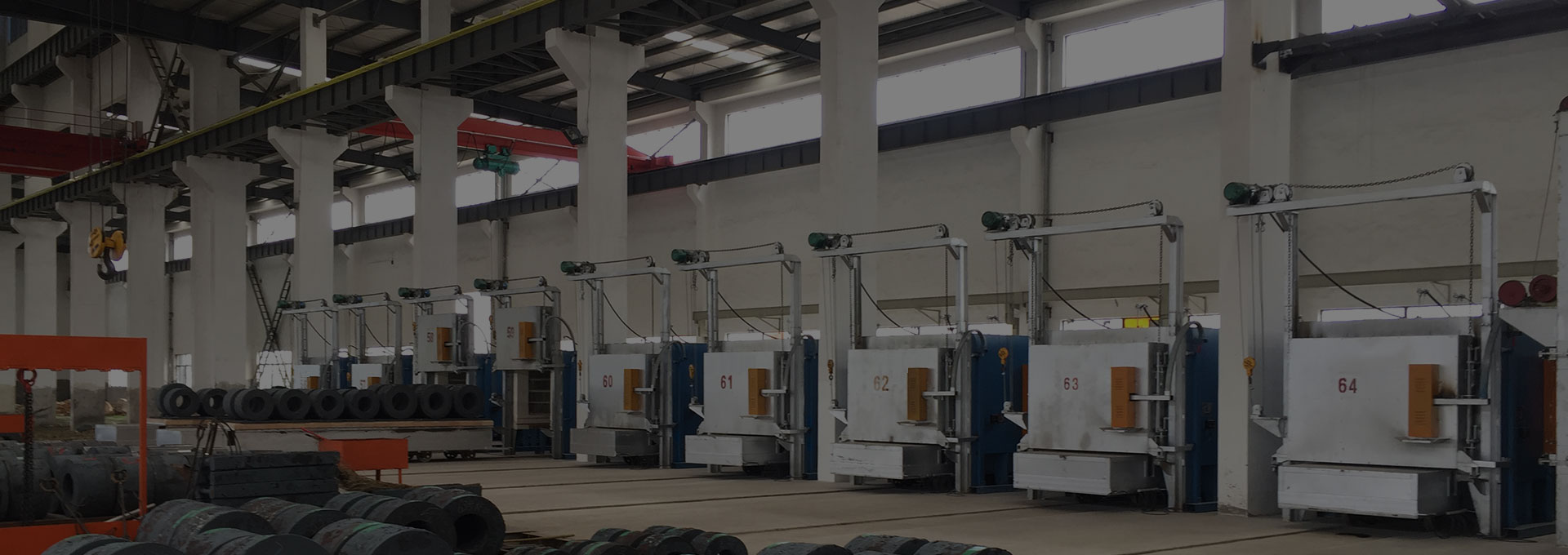
Melting Furnace

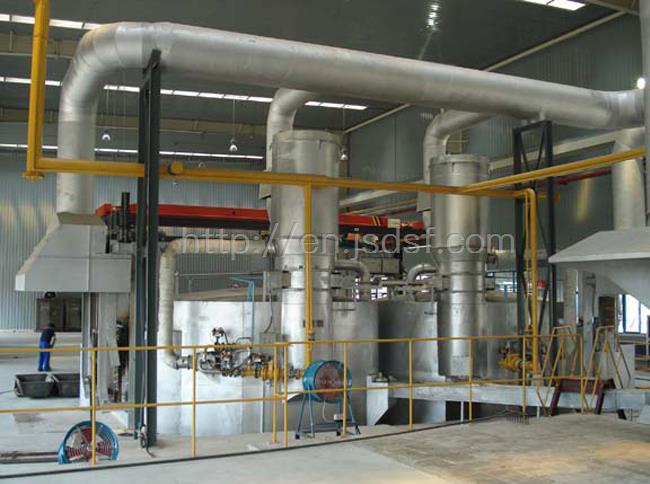
A chamber type flame furnace. The heat transfer mode in the furnace is not only by the reflection of the flame, but more
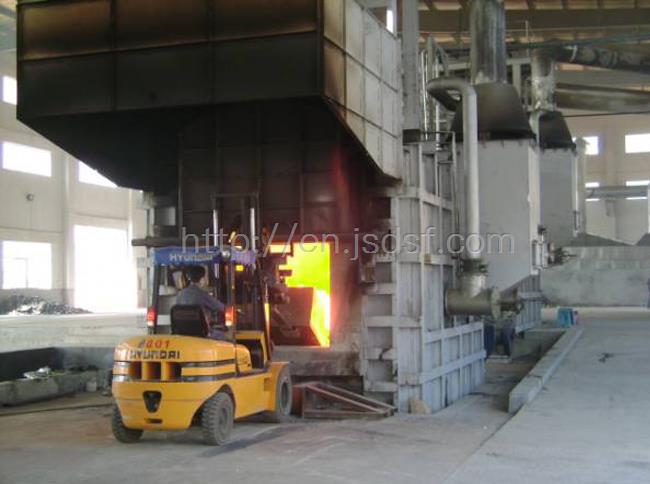
A chamber type flame furnace. The heat transfer mode in the furnace is not only by the reflection of the flame, but more importantly by the radiation heat transfer of the furnace top, furnace wall and hot gas. In terms of its heat transfer mode, many furnace types (such as heating furnaces, open furnaces, etc.) can be classified as reverberatory furnaces. It generally refers to the reverberatory furnace used for the smelting of non-ferrous metals.
intro
Also known as flame rever-beratory furnace. A metallurgical furnace in which materials are directly heated by a flame to melt metals. It is composed of three main parts: combustion 窀, melting chamber and exhaust flue (chimney). The whole furnace is a rectangular melting chamber lined with refractory material. The reflector furnace has simple structure, small investment, and a wide range of fuel types (such as coal, gas, heavy oil, etc.). It is an important smelting equipment for non-ferrous metals such as copper, nickel, tin, and is widely used to treat ores and concentrates, especially fine grained powder. It can also be used for smelting iron alloys and fire refining of metals. However, due to the direct contact between the flame and the metal, the oxidation loss of the metal is large. Reflex furnace is commonly used as roasting equipment in metallurgy, chemical industry and other fields.
structure
The reverberatory furnace is composed of a furnace base, a furnace bottom, a furnace wall, a furnace top, a charging port, a product outlet, a flue, etc. Its auxiliary equipment includes feeding device, blast device, smoke exhaust device and waste heat utilization device.
(1) Furnace base. The furnace base is the foundation of the entire furnace, which bears the huge load of the furnace, so it requires a solid foundation. The furnace base may be made of concrete, slag or stone, and is surrounded by concrete or reinforced concrete side walls. A hole is provided in the base of the furnace to accommodate the bottom tie rod for strengthening the furnace.
(2) Furnace bottom. The bottom of the furnace is an important part of the reverberatory furnace, because of the long-term high temperature, withstand the huge pressure of melt, constantly by melt erosion and chemical erosion, so it is necessary to choose the appropriate refractory masonry or use ramming sintering furnace bottom, in order to extend the service life of the furnace. The bottom of the furnace is required to be solid, resistant to corrosion and able to expand freely when heated.
(3) Furnace wall. The furnace wall is built directly on the furnace base. The furnace wall is subjected to the physical and chemical action of high-temperature melt and high-temperature furnace gas, so the inner layer of the furnace wall of the smelting reverberation furnace is made of magnesia brick, magnesia aluminum brick, the outer layer is made of clay brick, and some important parts are made of chrome-magnesia brick. The interior and exterior walls of metal melting furnaces with low melting point, such as molten aluminum reverberatory furnaces, can be made of clay brick.
(4) Stove top. The roof of the reverberatory furnace is divided into brick arch roof and hanging roof. Periodic operation of the reverberatory furnace and the furnace width of the small reverberatory furnace, usually using brick vault. Large copper smelting reverberatory furnace mostly uses hanging furnace top.
(5) The product is released for export. The discharge outlet of the reverberatory furnace has three forms: hole type, scraper type and siphon type. Copper refining reverberatory furnace adopts ordinary hole type copper outlet. The size of the hole is generally 5~30mm, and its position can be located in the rear end wall, the middle of the side wall or the low place of the bottom of the furnace at the tail. The tin smelting reverberatory furnace adopts water-cooled hole type tin outlet, that is, a cooling water jacket is embedded outside the brick wall at the outlet of the ordinary brick hole. Compared with the first two kinds of products, the siphon type product outlet has the advantages of convenient operation, safety, improving working conditions and improving product quality.
Controls
1. Before loading the furnace, clean the slag at the bottom of the furnace, check whether the fire hole is blocked, and whether the wall is normal. Check cooling fan switches, electrical appliances and wiring are safe and reliable.
2. Handling tank and skip, pay attention to prevent damage to hands and feet. The spacing between the hopper and the tank in the furnace shall comply with the technological regulations. Skip car and tank should be placed smoothly. Wear a mask when filling cans.
3. The furnace temperature should not be too high. When unloading the car, you should wear heat-resistant gloves to prevent ironing.
4. Materials should not be stacked outside the furnace. The tank shall be stored in the designated place with a wide enough passage.
Feature
Reverberatory furnace is widely used in non-ferrous metal smelting, for drying, roasting, refining, melting, heat preservation and slag treatment and other processes. The reverberatory furnace has always been the main equipment for copper smelting. The copper smelting reverberatory furnace is built with high quality refractory materials. There are two kinds of arch and hanging top: arch top multi-purpose silicon brick; Hanging furnace top and side wall lining are made of magnesia brick, magnesia chrome brick, magnesia magnesia brick or magnesia aluminum brick. The bottom of the furnace is sintered with mafic sand (magnesium oxide and iron oxide). The smelting reverberatory furnace is suitable for handling finely mixed materials, and is not suitable for handling bulk materials. It has strong adaptability to raw materials and fuels, easy to achieve large-scale, low cost; However, high fuel consumption, large smoke volume, low sulfur dioxide concentration in the flue gas, it is not easy to recycle and pollute the environment, therefore, limiting the development of copper smelting reverberatory furnace. The production capacity of the reverberatory furnace and the concentration of flue gas (SO2) can be increased and SO2 can be utilized by using the method of oxygen-rich blast air and reducing air leakage, or the method of using the oxygen injection device to inject the concentrate into the furnace.
Energy conservation
Due to the high temperature of these furnaces, the flue gas temperature is high, and the heat consumption is high. It is necessary to add a waste gas waste heat utilization device, but due to the harsh environment of the industry and the large impurity content of the flue gas, it is easy to cause the blockage of the heat exchanger, which causes great problems for the waste heat recovery.
Generally, the temperature of this kind of kiln is 1350-1400 degrees high, and the flue temperature is about 1200 degrees, so a lot of heat is wasted, and the heat utilization rate is low. A heat exchanger can be used to recover the heat in the flue and use the heated air as a combustion air
If a metal heat exchanger is used, a part of the waste heat can be recovered, but if the flue temperature reaches more than 800 degrees, the metal heat exchanger will be damaged by high temperature.
If the kiln temperature is higher than 800 degrees under normal circumstances, and the flue temperature is lower than 800 degrees, this situation seems to be suitable for metal heat exchangers, but if there is a power failure, the gas amount is too large, the amount of combustion air is insufficient, etc., will make the flue temperature quickly higher than 800 degrees, so that the metal heat exchanger is soon burned out.
1, high temperature resistance, corrosion resistance, so the ceramic heat exchanger can be placed near the flue outlet, the temperature is higher, then its waste heat utilization rate is high, the heat exchange effect is good, the energy saving rate is high. But the metal heat exchanger on the ceramic heat exchanger was soon burned out.
2, the service life, under normal circumstances, ceramic heat exchanger is several times or dozens of times of metal heat exchanger.
3, if the heat exchanger is not used, the combustion air temperature is generally normal temperature (-10-40), but the combustion air temperature of high heating through the ceramic heat exchanger heat exchange temperature can reach 300-800 degrees, not only can achieve the purpose of energy saving, but also improve the environmental benefits.
4, copper, zinc, lead in the smelting process, more impurities in the air, easy to block the heat exchanger, you can increase the adsorber in the flue, the use of adsorbers for impurity adsorption, the adsorber can be cleaned regularly. Does not affect the production, so that the maintenance cost is lower
COPYRIGHT © 2023 ChangZhou DingShengFeng Industrial furnace Co.,LTD All rights reserved